Get Water Softener Installation
Water softener installation services help property owners remove hard water minerals, preventing scale buildup and improving water quality through professional setup by local contractors.
Property owners exploring water softening solutions often seek reliable installation services to improve water quality and protect plumbing systems. Installing a water softener can help reduce mineral buildup, extend the lifespan of appliances, and enhance the overall efficiency of household water use. For those considering this upgrade, it’s important to evaluate local contractors who specialize in water treatment systems and can provide tailored solutions suited to specific property needs.
By comparing options among nearby service providers, property owners can find experienced contractors equipped to handle water softener installation projects. This process involves planning and selecting the right system to meet individual water quality goals. Continuing to explore local contractors allows for informed decisions and connections with professionals capable of delivering quality installation services.
- Water Softener Installation - needed when hard water causes mineral buildup in plumbing and appliances.
- Water Softener Replacement - appropriate when existing systems no longer effectively soften water or are outdated.
- Whole House Water Softening - required for homes experiencing widespread mineral deposits affecting multiple fixtures.
- Commercial Water Softening - necessary for businesses that rely on softened water for manufacturing or customer services.
- Hard Water Treatment Upgrades - sought when homeowners want to improve water quality by upgrading their current softening systems.
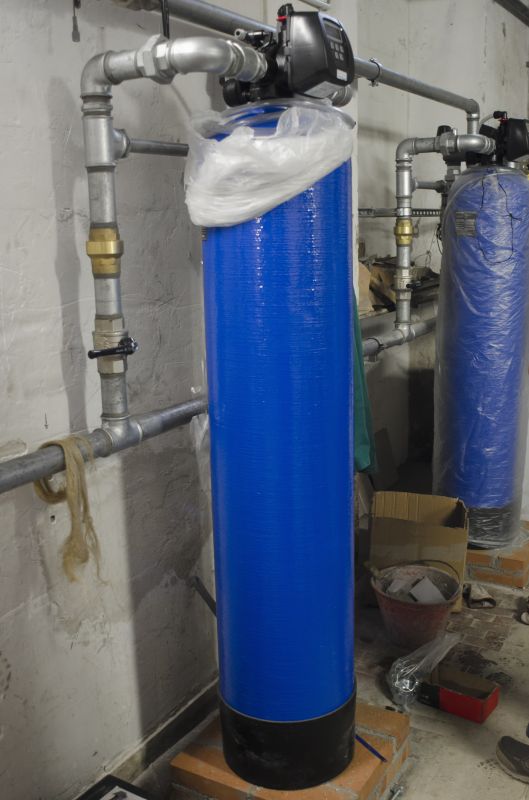
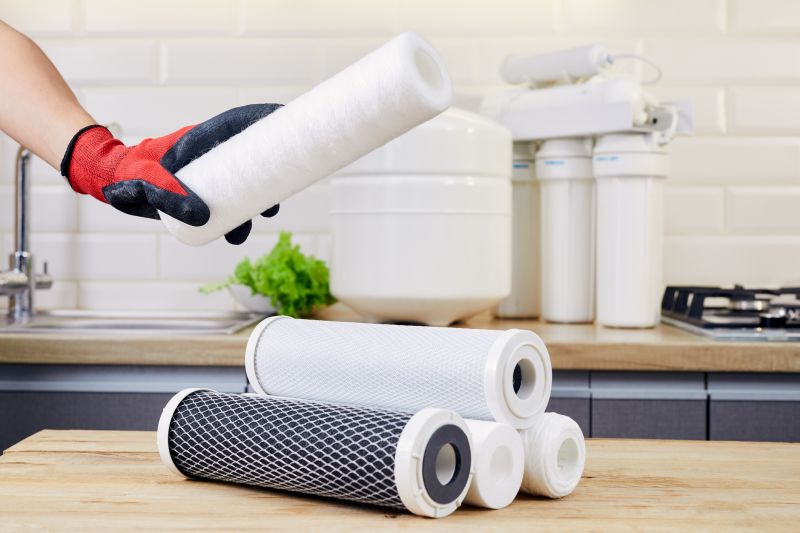
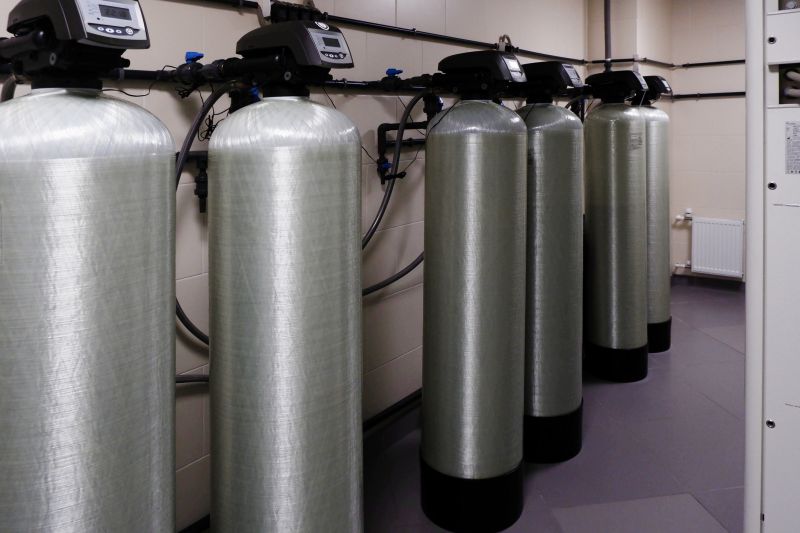
Water softener installation services involve setting up specialized systems that treat hard water by removing minerals like calcium and magnesium. These systems typically consist of a tank filled with resin beads that exchange ions to soften the water as it flows through. The installation process includes assessing the property’s plumbing, selecting the appropriate unit size, and properly integrating the softener into the existing water supply. Proper installation ensures the system operates efficiently and effectively, providing a long-lasting solution for households experiencing hard water issues.
Hard water can cause a variety of problems in a home, including mineral buildup on fixtures, soap scum that reduces lathering, and scale deposits inside appliances like dishwashers and water heaters. Over time, these issues can lead to decreased appliance lifespan and increased maintenance costs. Water softener systems help mitigate these problems by reducing mineral content, which can improve the performance of plumbing fixtures and appliances, as well as enhance the quality of water used for bathing and cleaning.
Properties that often benefit from water softener installation include single-family homes, multi-family residences, and even some commercial buildings that rely on well water or have hard municipal water supplies. Homes with visible mineral deposits, frequent soap scum, or scaled fixtures are common candidates for this service. Additionally, properties experiencing frequent plumbing clogs or needing to replace appliances prematurely may find softening systems to be a practical solution to extend the lifespan of their plumbing infrastructure and appliances.
Choosing to have a water softener installed is a practical step for homeowners seeking to improve water quality and reduce maintenance issues. Local contractors who specialize in water treatment systems can evaluate specific property needs, recommend suitable units, and handle the installation process efficiently. Contacting experienced service providers can help ensure the softening system is correctly installed and maintained, leading to better water quality and less hassle over time.
The overview below groups typical Water Softener Installation projects into broad ranges so you can see how smaller, mid-sized, and larger jobs often compare in your area.
In many markets, a large share of routine jobs stays in the lower and middle ranges, while only a smaller percentage of projects moves into the highest bands when the work is more complex or site conditions are harder than average.
Smaller Repairs - Typical costs for minor water softener repairs or adjustments generally fall between $150 and $400. Many routine service jobs land within this range, though prices can vary based on the specific issue and parts needed.
Full Replacement - Replacing an existing water softener with a new unit usually costs between $1,000 and $3,500. Larger, more complex installations or high-end systems can push costs higher, but most projects fall into the middle range.
System Upgrades - Upgrading an existing water softener to improve efficiency or capacity typically ranges from $800 to $2,500. These projects are common and tend to be in the lower to mid-tier price ranges.
Custom Installations - Custom or multi-unit water softening systems can cost $3,000 and up, especially for larger homes or specialized setups. While fewer projects reach this level, local contractors can provide estimates based on specific needs.
Actual totals will depend on details like access to the work area, the scope of the project, and the materials selected, so use these as general starting points rather than exact figures.
Water Filtration System Installation - local contractors who install water filtration systems often have skills in plumbing and water treatment, similar to water softener installation projects.
Reverse Osmosis System Setup - professionals experienced in reverse osmosis systems work with water lines and filtration components, sharing planning and installation techniques with softener services.
Water Line Replacement - replacing or repairing water lines requires plumbing expertise that is also essential for installing water softeners in residential or commercial properties.
Plumbing System Upgrades - upgrading plumbing infrastructure involves planning and skillsets that align with the installation of water conditioning equipment like softeners.
Water Heater Installation - installing water heaters involves plumbing and water management skills that are relevant to setting up water softening systems.
Hard Water Treatment Consulting - consulting on water treatment solutions includes understanding water quality issues and system integration similar to water softener installation projects.
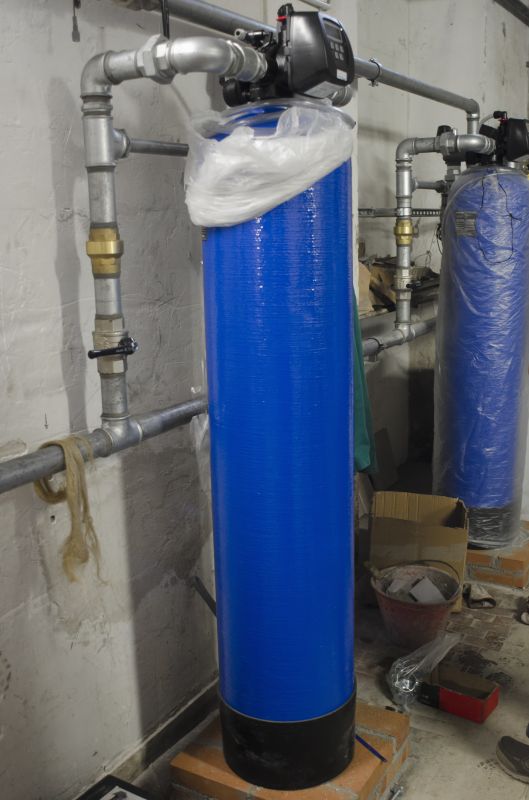
When comparing service providers for water softener installation, it’s important to consider their experience with similar projects. Homeowners should look for local contractors who have a proven track record of handling water softener systems in residential settings. An experienced professional is more likely to understand the nuances of different home plumbing configurations and can provide insights that help ensure the installation is performed correctly and efficiently. Asking about the types of systems they have installed and how long they have been working in the area can offer helpful context for evaluating their familiarity with local water quality conditions and common installation challenges.
Clear written expectations are essential when choosing a water softener installation service. Homeowners should seek out providers who can offer a detailed scope of work, including what is included in the installation process and any potential additional services or costs. This transparency helps prevent misunderstandings and ensures that everyone is aligned on the project’s specifics. It’s also valuable to confirm that the service provider can provide reputable references from past clients, allowing homeowners to hear about others’ experiences firsthand. Reliable references can serve as an important resource for assessing the quality of work and professionalism of local contractors.
Good communication skills are a key factor in selecting a suitable water softener installation service. Homeowners should prioritize local pros who respond promptly to inquiries, provide clear explanations, and are willing to answer questions thoroughly. Effective communication helps build trust and makes the process smoother from start to finish. While the site introduces homeowners to local options, it’s important to remember that the actual installation work is performed by the service providers themselves. Comparing these aspects-experience, clarity in expectations, references, and communication-can help homeowners find the right local contractor to handle their water softener installation with confidence.
Property owners use Water Softener Installation services for practical projects around their homes and businesses. This guide focuses on everyday jobs and straightforward project options.
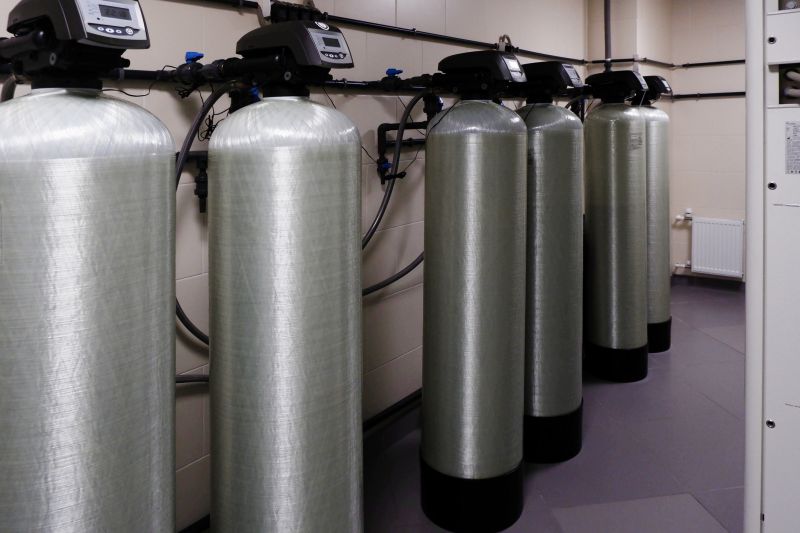
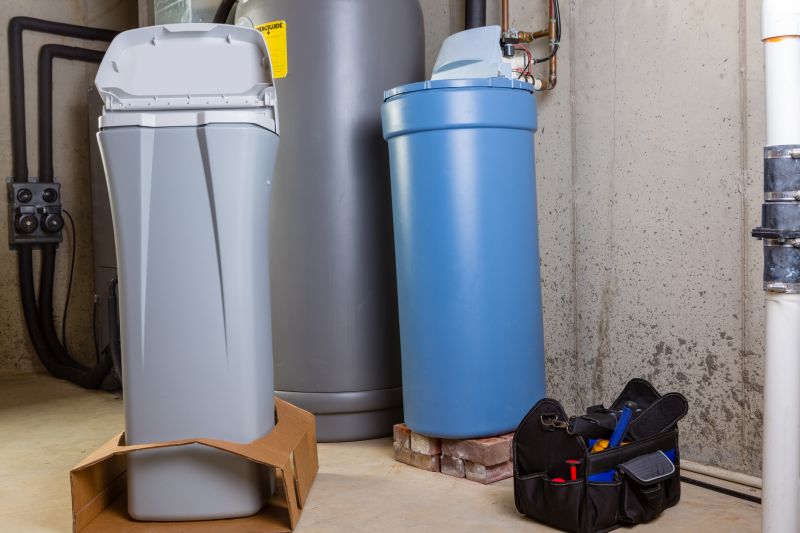
Water softener installation is a common project for property owners experiencing issues with hard water, such as mineral buildup on fixtures, soap scum in sinks and tubs, or reduced efficiency of appliances. Local contractors can help evaluate the water quality and recommend suitable softening systems to improve daily household comfort and appliance performance. Whether upgrading an existing system or installing a new one, local service providers are equipped to handle the job efficiently, ensuring that homes and businesses benefit from softened water.
Many property owners seek water softener installation to address long-term concerns like scale buildup, which can damage plumbing and reduce the lifespan of appliances. Additionally, softening water can make cleaning easier and extend the life of laundry and dishware. Local contractors can assist with the installation process, providing solutions that fit the specific needs of the property and helping residents maintain a more comfortable and efficient living environment.
What are the benefits of installing a water softener? Installing a water softener can help reduce mineral buildup, improve the longevity of appliances, and make cleaning easier by preventing hard water spots.
How do I know if I need a water softener installation? Signs such as white scale on fixtures, soap not lathering well, and dry skin may indicate hard water, prompting the need for a water softening system installed by local contractors.
What types of water softeners are available for installation? There are various types including salt-based ion exchange systems and salt-free alternatives, with local service providers able to recommend suitable options based on your water quality.
Can water softener installation be done in any home? Most homes with a plumbing system can accommodate a water softener, but a local contractor can assess your property to determine the best installation approach.
What should I consider before choosing a water softener installation service? It's important to review the experience of local service providers, ensure they are familiar with your water system, and verify their reputation for quality work and customer service.
Reduce Hard Water Buildup - Installing a water softener helps prevent mineral deposits in appliances and fixtures, extending their lifespan.
Improve Water Quality - Softening water can make daily activities like washing dishes and laundry more effective and less irritating to skin.
Protect Plumbing Systems - A water softener can minimize scale buildup in pipes, reducing the risk of clogs and costly repairs.
Enhance Appliance Efficiency - Properly softened water supports the optimal operation of household appliances, saving energy and maintenance efforts.
If you are thinking about Water Softener Installation for a property, this guide is meant to help you understand the work, the typical project types, and how different options might fit your plans.
When you are ready, you can use the quote form on this page to share a few details about your project. From there, local pros can review the basics and respond with options that match what you have in mind.